Redesigning classrooms
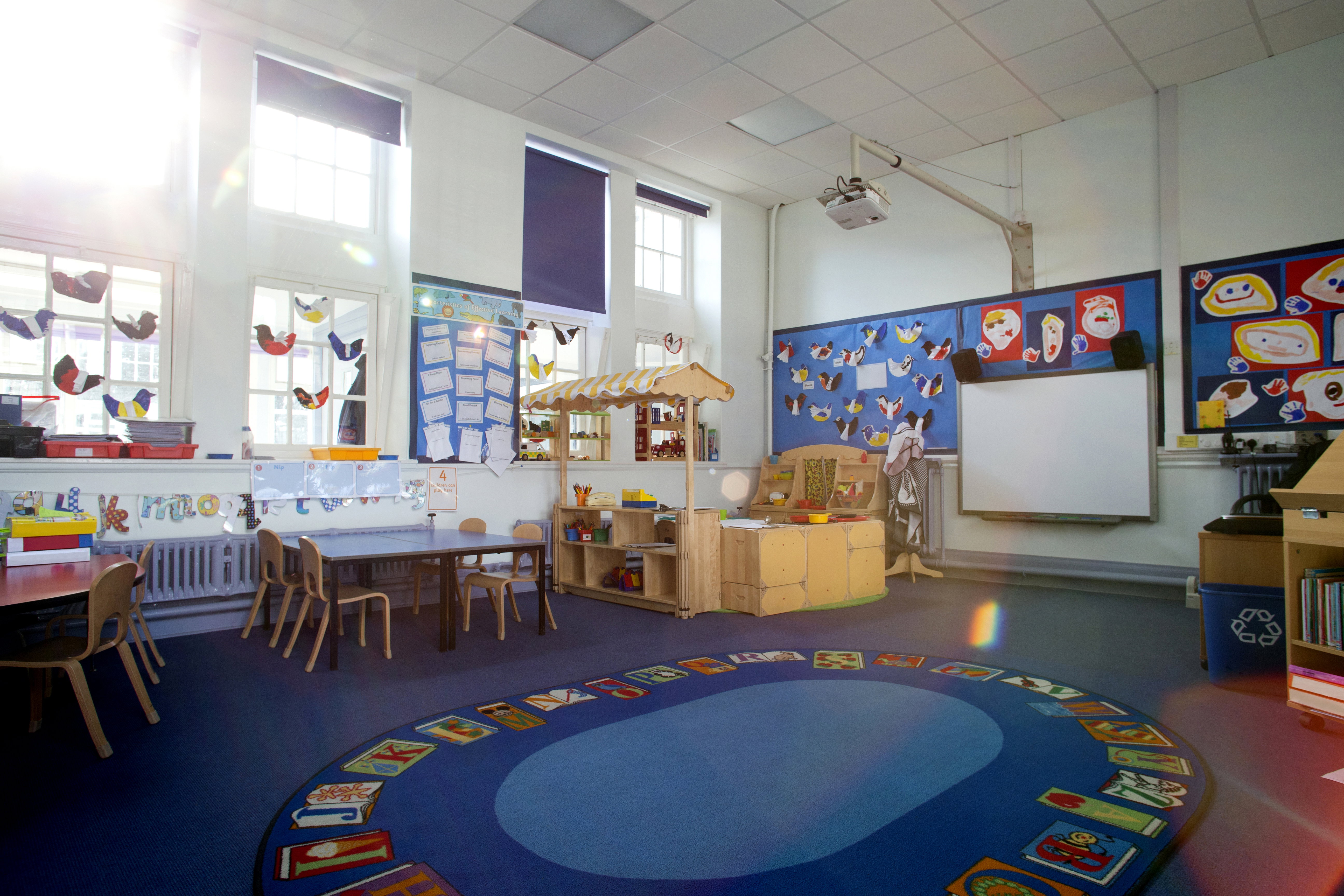
Redesigning classrooms to improve educational strategies is a thoughtful and impactful process that blends creativity, pedagogy, and student-centered design. Here’s an overview of the beautiful process:
1. Understanding Student Needs
The first step is assessing the diverse needs of the students. Recognizing various learning styles (visual, auditory, kinesthetic, etc.), social dynamics, and age-appropriate requirements helps in designing a space that’s inclusive and adaptable. A student-centered approach ensures that every child feels comfortable and engaged.
2. Incorporating Flexibility
A well-designed classroom embraces flexibility. Gone are the days of static rows of desks. The process involves integrating modular furniture that can easily be rearranged for individual, group, or whole-class activities. This flexibility fosters collaboration, creativity, and independence, giving students the freedom to work in ways that suit them best.
3. Blending Technology with Traditional Methods
Technology is a vital part of modern education. Redesigning a classroom involves adding smart boards, tablets, and interactive learning tools to complement traditional books and hands-on materials. The balance ensures students are equipped with digital literacy while still engaging with tactile learning experiences.
4. Natural Light and Nature
Bringing natural light and nature into the classroom has been proven to enhance mood and focus. The redesign process includes optimizing window spaces, using colors inspired by nature, and introducing plants or outdoor learning spaces. These elements help create a calm and invigorating learning environment.
5. Creating Zones
Modern classrooms are often designed with multiple zones: a reading nook, a collaborative area, a quiet zone for individual work, and spaces for creative expression. Zoning allows for varied activities to take place simultaneously, catering to different learning preferences and providing students with a sense of autonomy.
6. Prioritizing Comfort
Comfort in the classroom can significantly impact students' ability to focus and learn. The redesign process involves selecting ergonomic furniture, ensuring the room is well-ventilated, and providing cozy, soft seating options. A comfortable environment reduces restlessness and fosters concentration.
7. Promoting Ownership and Expression
Allowing students to have a say in the redesign, from color choices to where they sit, encourages ownership of the space. Incorporating student artwork, interactive bulletin boards, or areas where they can showcase personal projects adds a sense of belonging and pride in their environment.
8. Maximizing Space for Movement
Young students especially benefit from movement during learning. Redesigning the classroom with ample open space allows for kinesthetic learning activities, brain breaks, and movement-based lessons that enhance retention and focus.
9. Using Color and Design Intentionally
Color psychology plays a role in learning. Calming tones like blue and green promote focus, while bright colors like yellow can stimulate creativity and energy. The redesign process thoughtfully incorporates colors and patterns that align with educational goals.
10. Ongoing Adaptation
A well-designed classroom is never static. The process includes creating a space that can evolve with the curriculum, students' needs, and technological advancements. Built-in flexibility ensures the classroom remains a dynamic, inspiring environment for years to come.
Incorporating these elements into classroom design transforms the space from a simple room to an engaging, nurturing environment that inspires curiosity, collaboration, and a love of learning.